Building Community Through Church Activities and Outreach
- Jack Berry
- 2 hours ago
- 4 min read
Creating a strong sense of community is essential for any church. It fosters connections among members, encourages participation, and ultimately strengthens faith. Church activities and outreach programs play a pivotal role in building this community. They not only engage existing members but also attract newcomers, creating a welcoming environment for all. In this blog post, we will explore various ways churches can enhance community through activities and outreach, providing practical examples and insights.
Understanding the Importance of Community in the Church
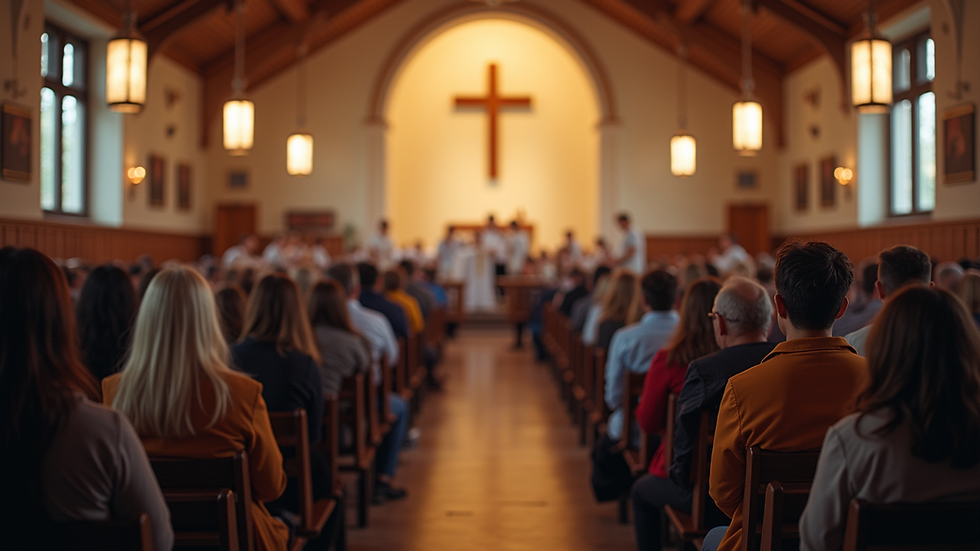
Community is at the heart of the church's mission. It is where individuals come together to share their faith, support one another, and grow spiritually. Here are some key reasons why building community is vital:
Support System: A strong community provides emotional and spiritual support. Members can lean on each other during difficult times, fostering a sense of belonging.
Shared Values: Community members often share similar beliefs and values, which can strengthen their faith and commitment to the church.
Opportunities for Growth: Engaging with others allows for personal and spiritual growth. Members can learn from each other’s experiences and insights.
Types of Church Activities That Foster Community
Church activities are diverse and can cater to various interests and age groups. Here are some effective types of activities that can help build community:
1. Social Events
Social events are a great way to bring people together in a relaxed setting. Consider hosting:
Potluck Dinners: Encourage members to bring a dish to share. This not only provides a meal but also allows for conversation and connection.
Game Nights: Organize board games or trivia nights. These fun activities can break the ice and help members get to know each other better.
2. Volunteer Opportunities
Engaging in volunteer work can strengthen community bonds. Here are some ideas:
Local Outreach Programs: Partner with local charities to provide food, clothing, or support to those in need. This not only helps the community but also fosters teamwork among church members.
Church Clean-Up Days: Organize days where members can come together to clean and beautify the church grounds. This promotes pride in the church and encourages collaboration.
3. Educational Workshops
Workshops can provide valuable learning experiences while fostering community. Consider offering:
Bible Study Groups: These can be small, intimate gatherings where members can discuss scripture and share insights.
Skill-Sharing Workshops: Encourage members to share their skills, such as cooking, gardening, or crafting. This not only builds community but also enriches the lives of participants.
4. Family-Friendly Activities
Creating activities that cater to families can help build a sense of belonging for all ages. Examples include:
Family Movie Nights: Screen family-friendly films in the church hall. Provide popcorn and snacks to create a fun atmosphere.
Children’s Camps: Organize summer camps or vacation Bible schools that engage children and provide parents with a supportive community.
Outreach Programs That Connect with the Community
Outreach programs are essential for extending the church's reach beyond its walls. They can attract new members and demonstrate the church's commitment to serving the community. Here are some effective outreach strategies:
1. Community Service Projects
Engaging in community service is a powerful way to show love and support. Consider:
Food Drives: Organize food collection events to support local food banks. This not only helps those in need but also raises awareness about hunger in the community.
Health Fairs: Partner with local health organizations to provide free health screenings and information. This demonstrates care for the community’s well-being.
2. Open House Events
Hosting an open house can invite newcomers to learn more about the church. Here’s how to make it effective:
Tours and Information Sessions: Provide guided tours of the church and information about programs and services. This helps newcomers feel welcome and informed.
Meet and Greet: Encourage members to mingle with newcomers, fostering connections and a sense of belonging.
3. Collaborations with Local Organizations
Partnering with local organizations can enhance outreach efforts. Consider:
Schools: Collaborate with local schools for events like back-to-school drives or tutoring programs. This builds relationships and supports families in the community.
Nonprofits: Work with local nonprofits to address specific community needs, such as homelessness or mental health support.
Creating a Welcoming Environment
A welcoming environment is crucial for fostering community. Here are some tips to ensure your church is inviting:
Friendly Greeters: Train members to greet newcomers warmly. A friendly face can make a significant difference in someone’s first impression.
Clear Signage: Ensure that signs are clear and visible, guiding newcomers to various areas of the church, such as restrooms and fellowship halls.
Measuring the Impact of Community Building
To understand the effectiveness of community-building efforts, it’s essential to measure their impact. Here are some methods to consider:
Surveys: Conduct surveys to gather feedback from members about their experiences and suggestions for improvement.
Participation Rates: Track attendance at events and activities to gauge interest and engagement levels.
Conclusion
Building community through church activities and outreach is a rewarding endeavor that strengthens faith and fosters connections among members. By implementing diverse activities and outreach programs, churches can create an inclusive environment that welcomes everyone. Remember, the goal is to cultivate relationships that support spiritual growth and create a sense of belonging. As you embark on this journey, consider how your church can best serve its members and the wider community. Together, you can build a vibrant community that reflects the love and teachings of your faith.

Comments